
How to Check Criminal History in Walker County
No single Walker County database contains a complete criminal history. The Clerk portal covers filed Superior and State Court cases. The Sheriff supplies date-based jail reports, current custody information, and records created by its deputies and detention staff. Begin with a full legal name, spelling variants, an approximate date, and a case, report, or booking number when known.
Match the question to the record's stage. An arrest allegation, jail intake charge, prosecutor's filed count, and court disposition can differ. Confirm identity with dates and court details rather than a name alone.
- Search the Walker Clerk docket portal by case number or party name.
- Choose Daily Intake or Daily Release for the relevant date on the Sheriff's site.
- For current custody, call 706-638-1909, press 3, then 1, and use a last name or date of birth.
- Use Georgia Felon Search only for reported Georgia felony convictions.
- Order a certified disposition from the Clerk when a summary or state entry is incomplete.
Three Walker County Record Custodians on Duke Street
Walker's main criminal-record offices sit close together in downtown LaFayette, yet each maintains a different product. The Clerk at 103 South Duke Street holds case dockets, pleadings, judgments, sentences, and certified dispositions. The Sheriff and jail at 105 South Duke Street hold Sheriff reports, booking, and custody records. Magistrate Court at 201 South Duke Street handles warrants and early criminal proceedings.
Clerk of Court
103 South Duke Street
Filed cases and certified outcomes.
Sheriff and Jail
105 South Duke Street
706-638-1909
Reports and detention files.
Magistrate Court
201 South Duke Street
706-638-1217
Warrants and preliminary process.
The official Walker County Sheriff's Office page identifies the Georgia agency and services.
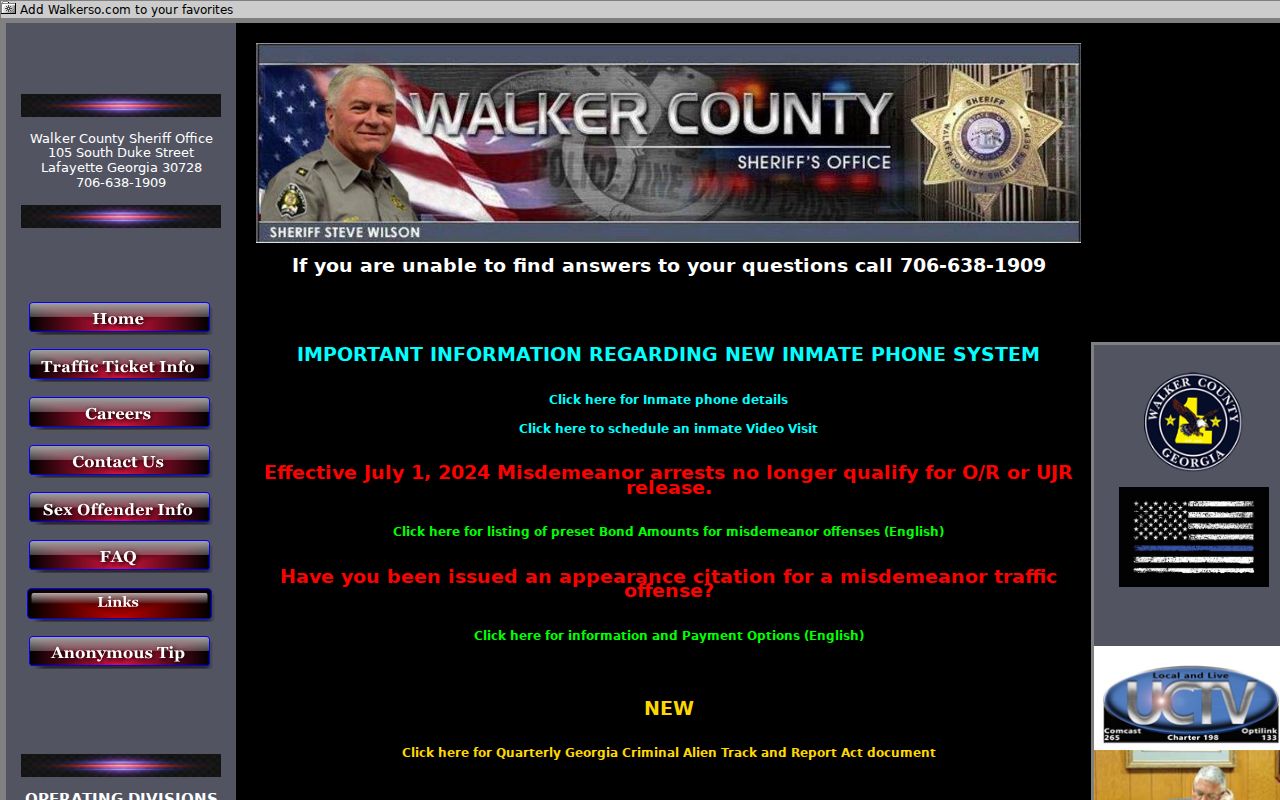
Check the office name and address to avoid confusing Walker County, Georgia with similarly named agencies elsewhere.
Official Georgia Background Checks
The Georgia Bureau of Investigation's Georgia Crime Information Center is the state repository. Georgia Felon Search charges $15 for reported in-state felony convictions, including a no-record result. The name-based product is not a fingerprint-confirmed identity check.
Self-review and authorized fingerprint purposes follow GCIC and Georgia Applicant Processing Service instructions. GAPS uses IdentoGO by IDEMIA, an agency service code, an appointment, and valid photo identification.
Walker County Fingerprints and Certified Dispositions
A fingerprint result can identify an arrest cycle more reliably than a name match, yet it can still lack a final outcome when a source agency has not reported it. GCIC cannot rewrite another office's data without documentation. Obtain the Walker court disposition and work with the submitting agency on a supported correction.
The official GAPS enrollment portal provides registration and a live print-site selector. No fixed Walker County enrollment address was verified.

Use the live location tool and bring the identification required by the current appointment instructions.
Types of Criminal Records in Walker County
A Walker County event creates records at different stages. Police write incident and arrest narratives, detention staff create booking data, prosecutors select filed counts, the Clerk maintains the case, and GCIC links covered arrests to reported outcomes.
The custodian therefore depends on the product sought.
- Arrest and booking records show agency action and jail intake, not guilt.
- Court case files show filed charges, events, outcomes, and sentences.
- GCIC histories join fingerprint-supported cycles with reported results.
- Warrants require Sheriff, court, or municipal routing because no public county name list was verified.
- Supervision and registry records use DCS, the Parole Board, GDC, or GBI channels.
Walker County Daily Jail Reports or AIS
Walker has no conventional public name-search roster on the inspected Sheriff site. Daily Intake and Daily Release PDFs answer date-based questions. AIS answers current-custody questions by telephone at 706-638-1909, press 3, then 1, using last name or DOB. Processing can take eight hours or more, so check adjacent dates and try AIS again after the delay.
The official AIS instructions show the public menu route.
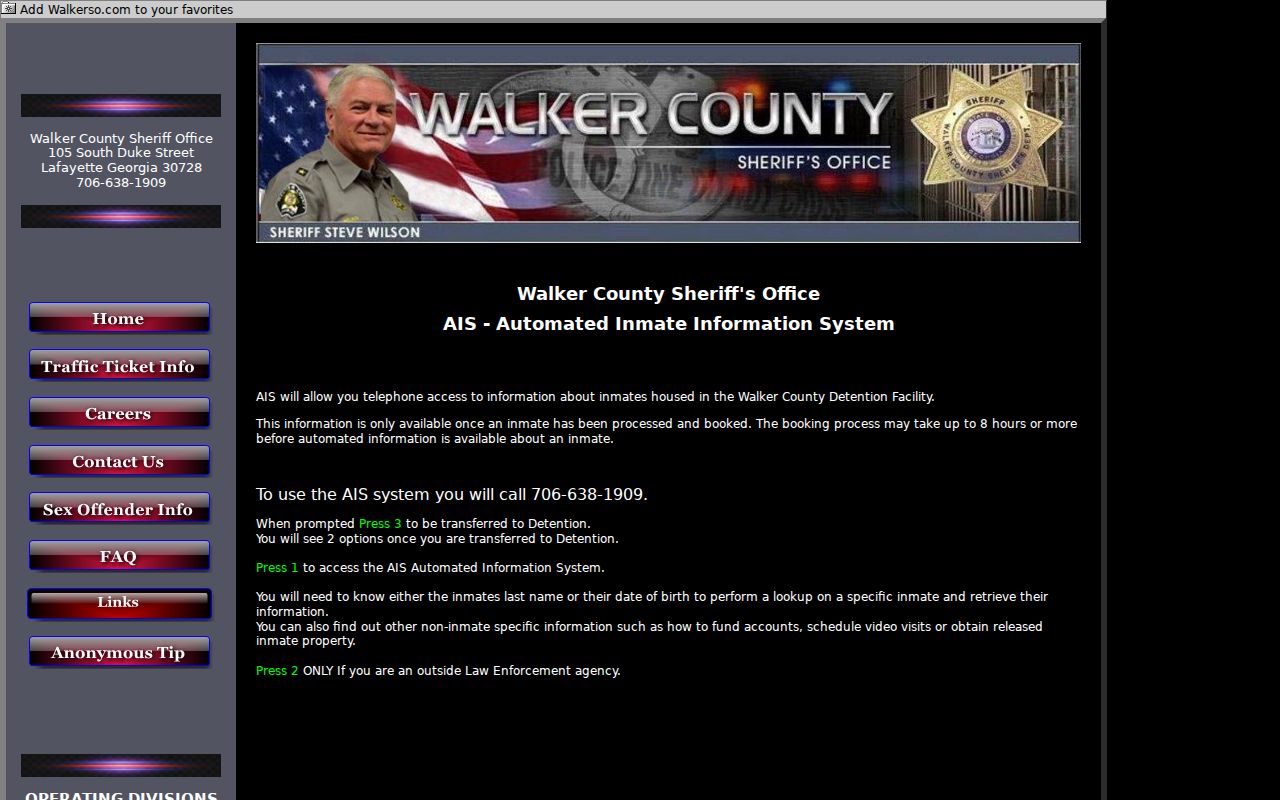
Neither a daily report nor AIS proves guilt, and the filed charge may later differ from the intake charge.
What a Walker County Criminal Record Shows
Fields vary by source. A docket centers on a prosecution, a jail record on intake and custody, and a GCIC history on identifying data and arrest cycles. Sensitive identifiers are not expected in public products.
| Name & Identifiers | Name, aliases, DOB, sex, race, and lawful agency identifiers. |
|---|---|
| Arrest / Booking Data | Agency, date, received charge, booking number, bond, and custody times. |
| Charges & Statutes | Description, code, court, and grade when recorded. |
| Disposition | Dismissal, nolle prosequi, acquittal, conviction, or another entered result. |
| Sentence | Confinement, probation, fine, restitution, or other terms. |
| Custody / Supervision Status | County jail, GDC custody, probation, or parole information. |
How Walker County Records Reach GCIC
The arresting agency creates its report. Walker booking then creates fingerprints, an arrest tracking number, charges received, bond, and custody data. For covered arrests, identifying data enters GCIC. The prosecutor selects filed counts, the Clerk records the case and outcome, and the disposition should return to GCIC. Corrections and supervision agencies add later status.
This sequence explains why a booking record, docket, and rap sheet can disagree at a given moment. The court document controls the entered result.
Public Access Laws for Walker County Criminal Records
The Georgia Open Records Act supports access subject to exemptions, costs, and prompt-response rules. It does not merge police, jail, court, and GCIC files. Send a focused request to the office that created the record.
Key Statutes:
O.C.G.A. § 50-18-70 et seq. presumes access while allowing stated exemptions and costs.
O.C.G.A. § 35-3-34(d.2) permits the public felony route with full name, race, sex, and DOB.
O.C.G.A. § 35-3-37 establishes record restriction and related sealing procedures.
O.C.G.A. § 42-1-12 governs registry duties and public fields.
Walker County Sheriff's S-301 Request
The Sheriff's S-301 form is the fallback for Sheriff and jail products. It asks for date, time, incident address, case or call number, contact details, desired medium, and delivery method. Choices include a report, photos, video, 911 CAD printout, and voice recording. Precise scope reduces search and redaction work.
| Research | Lowest-paid capable employee rate; first 15 minutes free. |
|---|---|
| Copies | $0.25 per page. |
| CD | $10. |
| Jail PDFs | Free online. |
| Officer | Sgt. Charles Barrett, 706-638-1909 ext. 1232; openrecords@walkerso.com. |
The usual three-business-day rule concerns response, not guaranteed completion. The form asks users to allow at least three business days for research and five for mailing.
Sealed, Expunged, and Restricted Records
Georgia calls its main remedy record restriction, formerly expungement. In the older-arrest form path, the subject, arresting agency, and prosecutor complete separate sections, followed by an approved form and $25 payment to GCIC. Post-July 1, 2013 arrests generally use a prosecutor-based route.
Restriction limits ordinary noncriminal-justice dissemination but does not destroy every government file. Court sealing is related and may require a qualifying judicial order. Juvenile, victim, sealed, and investigative material may remain unavailable.
Walker County Custody After Jail Transfer
AIS and daily reports address Walker jail custody. After transfer to sentenced state custody, use GDC Find an Offender. Felony probation and parole supervision belongs to Georgia DCS, while the State Board makes parole and clemency decisions. The Walker sentence itself remains in the Clerk's docket.
The official DCS directory routes users to the Lookout Mountain Circuit field office.
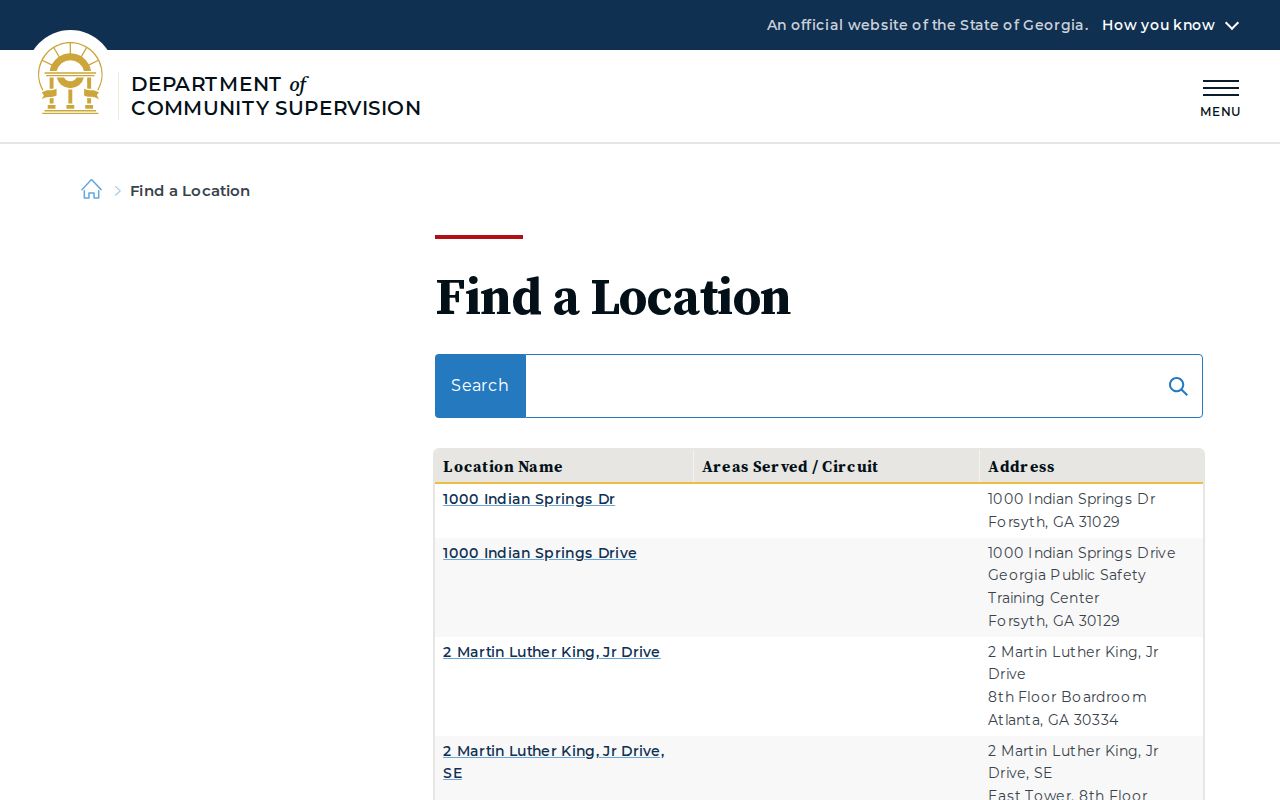
The LaFayette field office is at 702 East Villanow Street.
The Georgia Parole Board publishes its official parole resources.
Parole decisions and day-to-day community supervision remain distinct records.
Federal Records Connected to Walker County
Walker County lies in the Northern District of Georgia. PACER supplies federal dockets after registration, but it is not a county history search. The Bureau of Prisons locator covers federal custody, not Walker jail or Georgia prison. The FBI Identity History Summary is a subject-only fingerprint product and does not replace a local disposition.
The official PACER service supplies federal court access.
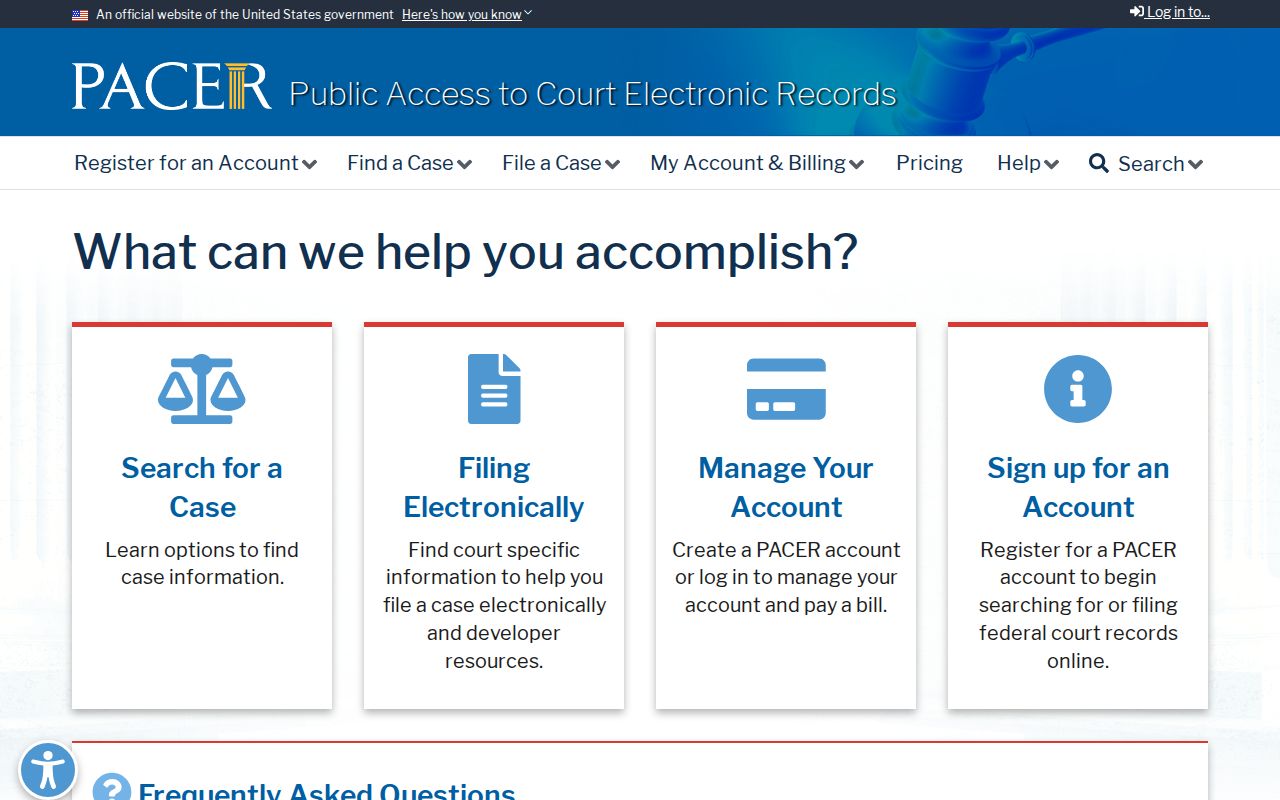
Verify current fees and the Northern District location before using an in-person route.
The BOP locator searches federal prison custody.
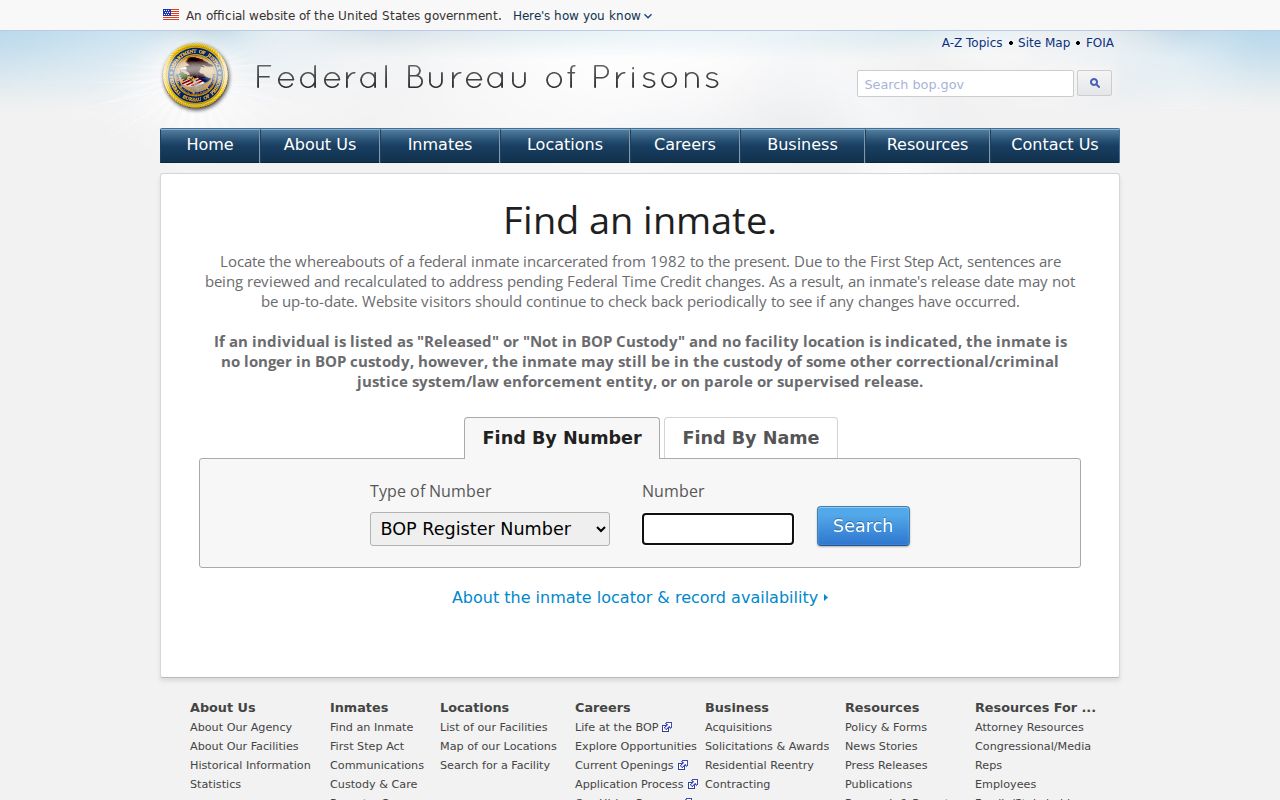
A missing result says nothing by itself about Walker jail, GDC custody, or a pending federal case.
Walker County Court Geography and Record Context
Walker County was created in 1833, and LaFayette became the county seat. The 1917 courthouse remains part of the modern records geography. Superior Court felony cases, State Court misdemeanor and traffic cases, Magistrate Court warrant work, Sheriff detention records, and municipal files are divided by legal role rather than by the convenience of a single search screen. The Lookout Mountain Judicial Circuit also spans Catoosa, Chattooga, and Dade counties, so a circuit reference should not be read as proof that a case was filed in Walker.
Geography matters outside the courthouse as well. Walker covers about 446 square miles, and an official county feature says patrol and transport vehicles travel roughly 1.5 to 1.8 million miles each year. A Chickamauga mailing address can fall in unincorporated Sheriff's jurisdiction. A city or state officer can make an arrest that ends in the Walker jail. The location written on an incident, the investigating agency, the booking facility, and the court with the filed case can therefore be four separate facts.
Official GBI data reported 629 indexed offenses for Walker County in 2024, including the categories used in that state summary. That figure describes a particular year and reporting table. It does not equal every event experienced by residents, measure unreported crime, or establish anything about a person. Agency participation and data submission affect UCR totals. County audit spending also should not be treated as a crime trend: public-safety expense rose from $18.875 million in fiscal 2024 to $28.05 million in fiscal 2025, but those totals can reflect staffing, detention, equipment, transport, and other operations.
Walker dockets can also contain entries tied to local alternatives. Adult Felony Drug Court began in 2017 for eligible nonviolent circuit residents with substance-use issues. Wellness Court is described as a voluntary program lasting at least 18 months after adjudication or revocation, with treatment, testing, monitoring, medication management, and case management. Neither program is a generic promise of dismissal. Eligibility, participation, completion, and the legal outcome must be read from the actual court orders and docket.
For a hearing, consult the current Lookout Mountain Judicial Circuit calendar rather than assuming every Walker criminal setting occurs in one room. Published calendars include criminal jury, grand jury, plea, motion, non-jury, and calendar-call settings across annex locations. The circuit's July 2026 information also asks that interpreter requests be submitted ten business days before a hearing. Confirm the current form and administrator contact because schedules and court administration can change.
Walker County Warrants, Reports, and Charge Labels
No verified public Walker County active-warrant name database was found. Call the Sheriff at 706-638-1909 for Sheriff warrant information and safe resolution instructions. Magistrate Court at 706-638-1217 can address process issued there. Search the Clerk docket for warrant or capias events in a filed Superior or State case, and contact the proper municipal court for a city citation or bench warrant. Sealed, juvenile, investigative, and unexecuted search-warrant material may not be public. Do not appear unannounced based only on a web result. Current instructions from the issuing court or counsel are more reliable.
Incident reports remain agency by agency. A Walker deputy's report belongs with the Sheriff, while a LaFayette, Rossville, or Chickamauga officer's narrative remains with that city department even if the accused later enters Walker detention. Georgia State Patrol retains its own crash and arrest materials. A clear request supplies date, time, location, report number if known, involved names, requested record type, and desired format. For 911 CAD, audio, body-camera footage, photographs, or video, narrow the event and time window so the custodian can identify files and estimate redaction or media costs.
Georgia does not use a general numbered felony-class ladder. A felony is punishable by death, life, or more than 12 months, and the charged statute supplies the range. Superior Court tries Walker felonies. State Court generally handles misdemeanors and traffic. An ordinary misdemeanor can carry up to 12 months and a fine up to $1,000 under O.C.G.A. § 17-10-3. A high and aggravated misdemeanor can carry up to 12 months and a fine up to $5,000 under § 17-10-4. Read the statute and final disposition because a short label may omit grading details.
A nolle prosequi is a prosecutor's formal decision not to continue a charge at that time. A dead docket is inactive placement, not an acquittal. First Offender treatment can avoid an adjudication of guilt after successful completion when requirements are met. Bond concerns release while a case is pending, not the final result. Probation is a court-ordered community sentence, while parole is conditional release from prison authorized by the Parole Board. These distinctions prevent a procedural entry from becoming an unsupported conclusion.
Criminal Records by City in Walker County
City police keep originating reports and municipal courts keep authorized traffic and ordinance cases. LaFayette, Rossville, and Chickamauga are Walker County's top three incorporated cities by 2020 Census population.
LaFayette Criminal History
6,888 residents · Verify the current city custodian because no working records portal was confirmed.
Rossville Criminal History
3,980 residents · Public Safety and the City Clerk hold different records.
Chickamauga Criminal History
2,917 residents · Police, court, and City Hall use direct contact routes.